A moratorium on extending the MTA Mobility Tax would help protect the project’s broader economic potential
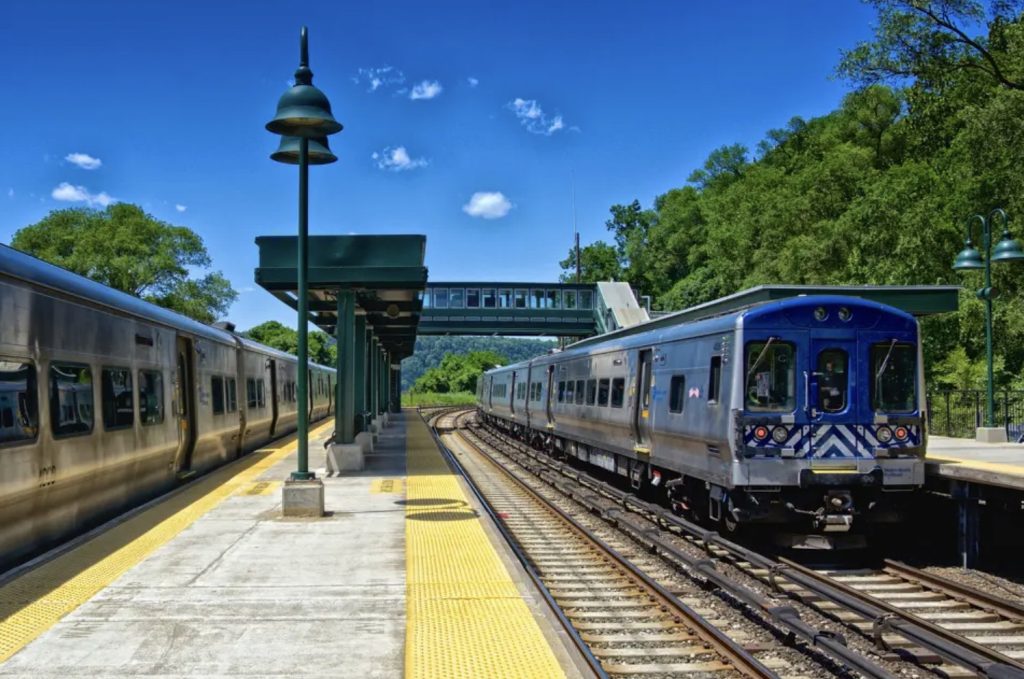
For over two decades, I have worked on the railroad. During that time, I've watched the Hudson Valley and Capital Region evolve into some of New York's most dynamic places to live, work and do business. Families have moved north in search of affordability and quality of life. Employers want to expand operations beyond traditional economic centers. Young people increasingly want the opportunity to build careers, buy homes and raise families in the communities where they grew up.
That is why stronger transportation connections are not simply a convenience. They are an economic development necessity.
Extending Metro-North service to Albany would strengthen workforce mobility, support economic development, improve access to opportunity and create greater resilience along one of New York's most important transportation corridors. It would help employers recruit and retain workers in sectors ranging from healthcare and education to construction, hospitality and manufacturing. It would give students, families, commuters and visitors more reliable options. And it would support the long-term competitiveness of communities across the Hudson Valley and Capital Region.
The expansion would also provide something every railroad worker understands: redundancy. Transportation systems are stronger when they have flexibility. Severe weather, infrastructure challenges, service disruptions and future ridership growth all require a network with multiple ways to move people safely and reliably.
But as New York considers this important investment, we also need an honest conversation about how to pay for it.
The Hudson Valley and Capital Region are working hard to address affordability challenges, attract employers, support small businesses and create opportunities for the next generation. Those efforts should not be complicated by policies that increase costs for employers, nonprofits, healthcare systems, educational institutions and local governments.
As discussions continue around expanding Metro-North service, policymakers should consider a moratorium on extending the MTA Mobility Tax into newly served communities. The goal should be to expand opportunity, not create new cost burdens that could undermine the project’s broader economic promise.
A stronger regional rail connection would benefit more than the communities along the corridor. Increased economic activity, improved workforce access, expanded tourism and greater transportation resilience would strengthen New York as a whole. The funding conversation should reflect that broader public value.
New York has a tremendous opportunity to build a transportation network that better reflects how people live and work today. We can create stronger connections between communities. We can support affordability by expanding access to opportunity. And we can help retain the young people who want to build their futures here.
But we must be thoughtful about how we get there.
Extending Metro-North to Albany can help strengthen the future of the Hudson Valley, the Capital Region and the state. The challenge now is to ensure that the communities poised to benefit from that investment are not asked to shoulder a disproportionate share of the burden of making it happen.
Edward Valente is the executive board director of the Association of Commuter Rail Employees and the general chairman of ACRE Local 1 on Metro-North Railroad.